10 Trending White Label Web Design Agencies

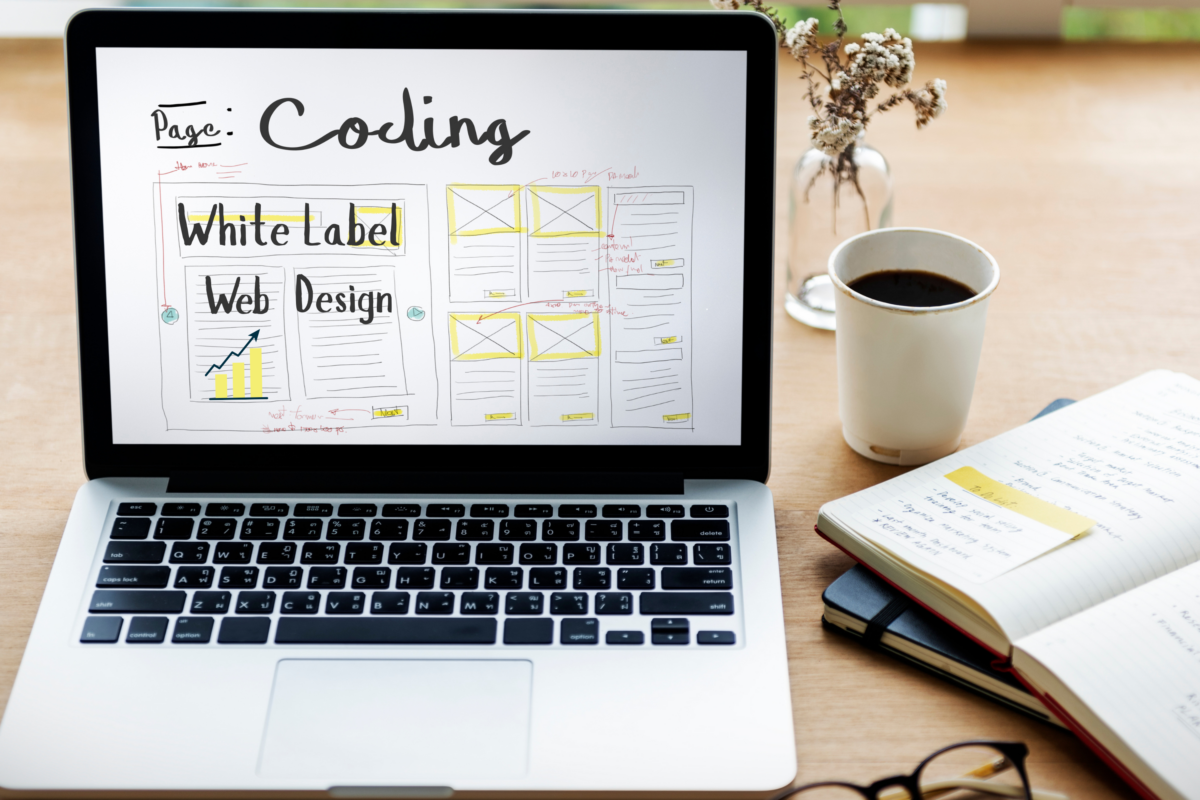
White label web design agencies create websites on behalf of other agencies, which then deliver the finished work under their own brand. The white label partner handles tasks such as strategy, design, development, testing, and maintenance, while the hiring agency manages the client relationship and presents the work as its own.
This model allows marketing agencies, creative studios, and digital firms to offer web design services without hiring a full in-house team.
The white label web design agencies below provide scalable production support across different platforms and project types, helping partners take on more work, maintain consistent quality, and expand their services while keeping full control of the client experience.
Table of Contents
Top White Label Web Design Agencies at a Glance
| Agency | Best for | Platforms | Engagement model | White-label safeguards | Ongoing support |
|---|---|---|---|---|---|
| White Label Agency | Web design bundled with paid ads/SEO retainers | Webflow, WordPress | Tiered per-project ($1,499–$4,699) + monthly retainer | Not publicly stated; confirm in contract | Monthly reporting, 24/5 Slack support |
| E2M | Scalable multi-platform web design + dev team | WordPress, Webflow, Shopify, Wix, HighLevel, WooCommerce, BigCommerce, Duda | Month-to-month, $1,299–$9,999/mo, no long-term contracts | Written NDA + explicit non-solicitation on every engagement | Unlimited maintenance tasks within plan hours |
| Clickx | Web design bundled with SEO/PPC fulfillment | WordPress, Webflow, custom HTML/CSS/JS, WooCommerce, Shopify | Per-project, no contracts or minimums | Deliverables and files route through your agency; metadata scrubbed | Monthly maintenance retainers (updates, backups, monitoring) |
| Always Fresh | Custom Webflow-only builds | Webflow (hand-coded, no templates) | Not publicly disclosed; project-based | Not publicly stated; confirm in contract | Dedicated Webflow maintenance retainer |
| Xovak Studio | Custom development across broad tech stacks | Shopify Plus, React, .NET, Azure, Java, Python, WordPress, Node.js | Custom quote after free scoping call | White-label program stated; NDA terms not published | Minimal by design — sites built for client self-management |
| VALMAX | B2B/SaaS/fintech branding and web design | WordPress, Shopify, Webflow | Fixed-price per project | Written NDA with every partner | One month free post-launch, then paid maintenance packages |
| OuterBox | SEO-driven web design and eCommerce builds | WordPress, Shopify/Shopify Plus, BigCommerce, Magento/Adobe Commerce, WooCommerce | Scope-based project pricing; reseller terms for volume | Mutual NDA; no co-branding; agency owns all logins | Maintenance retainers (patches, monitoring, backups) |
| SPYCE Media | Quick-launch sites with hands-off upkeep | Not publicly specified | Project build + ongoing management bundle | Not publicly stated; confirm in contract | Strong emphasis on continuous updates/monitoring |
| GetDevDone | Large-scale engineering capacity for agencies | WordPress, Drupal, Craft CMS, HubSpot CMS, Webflow, Shopify, BigCommerce, Magento, WooCommerce, React/Vue/Angular | Dedicated engineers, project manager per engagement | White-label execution stated; NDA specifics not published | Not clearly specified — confirm before signing |
| White Label IQ | Flexible on-demand dev/design capacity | WordPress, Laravel, React, Vue, Node.js, Shopify, WooCommerce, Magento, BigCommerce | Pay-for-productivity; no minimums or commitments | Not publicly stated; confirm in contract | Dedicated website maintenance service |
How We Selected The Best White Label Web Design Agencies
We evaluated each agency based on the factors that matter most in a white-label partnership:
- White-label experience: Proven work with agencies and the ability to deliver services under another company’s brand
- Service range: Website design, development, eCommerce, custom applications, maintenance, and related support
- Platform expertise: Experience with platforms such as WordPress, Webflow, Shopify, WooCommerce, and custom frameworks
- Delivery process: Clear workflows, realistic timelines, quality assurance, revisions, and project management
- Scalability: The capacity to handle additional projects, changing workloads, and ongoing agency support
- Partnership safeguards: NDA protection, confidential delivery, clear ownership terms, and client relationship protection
- Proof of experience: Publicly available portfolios, case studies, client information, and service details
The final list includes agencies suited to different needs, from project-based website production to dedicated development teams and long-term fulfillment partnerships.
The Best White Label Web Design Agencies
1. White Label Agency

- Location: Fairfax, VA
- Platforms: Webflow (primary), WordPress
- Engagement model: Tiered per-project pricing plus monthly retainers for ongoing services
- White-label safeguards: Not publicly disclosed
- Best for: Web design bundled with paid ads and SEO retainers
- Notable clients: Veza Digital, Revenu, Aspire, Clearly Relevant Growth Agency
White Label Agency supports digital agencies with white-label website production, SEO, and paid media services. Its team primarily works in Webflow, while WordPress is available for simpler website builds. Tiered project pricing gives partners greater visibility into costs and makes it easier to plan margins before a project begins.
Agencies managing several clients can also collaborate with the production team through Slack Connect. This combination of web design and ongoing marketing support makes White Label Agency well suited to firms that want to manage multiple services through a single fulfillment partner.
2. E2M
- Location: San Diego, CA
- Platforms: WordPress, Webflow, Shopify, Wix, HighLevel, WooCommerce, BigCommerce, Duda
- Engagement model: Month-to-month subscription plans, no long-term contracts or minimums
- White-label safeguards: NDA and explicit non-solicitation included with every partnership
- Best for: Scalable, multi-platform white-label web design and development
- Notable clients: Lasso Up, ClikIT, Chickenango Marketing Solutions, Estipona Group
E2M provides scalable white-label web design and development across WordPress, Webflow, Shopify, Wix, WooCommerce, BigCommerce, Duda, and HighLevel. Its month-to-month plans range from shared production hours to dedicated teams for agencies with larger or more consistent workloads.
Partners also receive NDA and non-solicitation protection, helping them retain control of their client relationships. With fast onboarding and broad platform coverage, E2M can support agencies that manage varied website portfolios and need reliable capacity without expanding their internal teams.
3. Clickx

- Location: Chicago, IL
- Platforms: WordPress, Webflow, custom HTML/CSS/JS, WooCommerce, Shopify
- Engagement model: Per-project pricing, no contracts or minimums; standard 5–8 page sites in 3–4 weeks, larger eCommerce builds in 6–10 weeks
- White-label safeguards: All deliverables, communication, and files route through the partner agency, with identifying metadata removed from files
- Best for: Web design bundled with white-label SEO and PPC fulfillment
- Notable clients: Lasso Up, ClikIT, Chickenango Marketing Solutions, Estipona Group
Clickx combines white-label website production with SEO, PPC, and digital marketing fulfillment. Its development team works across WordPress, Webflow, Shopify, WooCommerce, and custom front-end technologies, allowing agencies to manage both standard business websites and more involved eCommerce projects.
Deliverables and communication are routed through the partner agency, keeping its brand at the center of the client relationship. Clickx is particularly useful for firms that want to combine web design, development, and ongoing marketing services within one fulfillment system.
4. Always Fresh

- Location: Denver, CO
- Platforms: Webflow only, no templates
- Engagement model: Project-based
- White-label safeguards: Not publicly disclosed
- Best for: Custom, hand-coded Webflow design
- Notable clients: Risley Ranch, Little Explorers Preschool, Lululemon, Lead Rabbit
Always Fresh specializes in custom Webflow website design and development for agencies and freelancers. Rather than relying on templates, the team builds each website around the client’s brand, content, and functional requirements.
Ongoing Webflow maintenance is also available after launch, allowing partners to continue supporting clients without handling routine updates internally. Its focused platform expertise makes Always Fresh a strong choice for agencies that want consistent Webflow delivery, custom design, and continued technical support from the same production partner.
5. XOVAK STUDIO PVT. LTD.
- Location: Birmingham, AL
- Platforms: Shopify Plus, React, .NET, Azure, Java, Python, WordPress, Node.js
- Engagement model: Custom quote after a free scoping call
- White-label safeguards: Not publicly disclosed
- Best for: Custom development across a wide range of technical stacks
- Notable clients: Armante, TWL, Flower Chimp, Infamous Swim
Xovak Studio provides white-label website and software development across a broad technical stack. Its capabilities include WordPress, Shopify Plus, React, Node.js, .NET, Azure, Java, and Python, enabling the team to support both standard websites and more complex digital products.
Projects are designed for straightforward handoff, with an emphasis on creating systems clients can manage after launch. This technical range makes Xovak Studio suitable for agencies that need one partner for eCommerce, CMS development, custom applications, and advanced integrations.
6. VALMAX

- Location: Chicago, IL
- Platforms: WordPress, Shopify, Webflow
- Engagement model: Fixed-price per project in most cases, to protect partner margins
- White-label safeguards: “NDAs with all our partners,” per the company
- Best for: Bespoke branding and web design for B2B, SaaS, and fintech companies
- Notable clients: MONDAS, CarboTech, Techknowledge, Virtue Security
VALMAX delivers white-label branding, website design, and development for agencies working with B2B, SaaS, fintech, logistics, and technology clients. Its team builds across WordPress, Shopify, and Webflow and commonly uses fixed project pricing to give partners greater control over budgets and margins.
The agency manages production behind the scenes while the partner retains the client relationship. With design, development, and post-launch maintenance available within the same engagement, VALMAX supports agencies seeking polished digital work and a structured delivery process.
7. OuterBox

- Location: Akron, OH
- Platforms: WordPress, Shopify/Shopify Plus, BigCommerce, Magento/Adobe Commerce, WooCommerce
- Engagement model: Scope-based project pricing; reseller or bulk-project terms available for agencies with recurring volume
- White-label safeguards: Mutual NDA on every engagement, no co-branding or name-drops in client meetings, and the partner agency owns all logins (staging, design files, repositories)
- Best for: SEO-driven web design and eCommerce builds
- Notable clients: Matco Tools, K2 Awards & Apparel, A&C Plastics, RB Medical
OuterBox combines white-label web design and development with extensive SEO and eCommerce experience. Its team works across WordPress, Shopify Plus, BigCommerce, Magento, Adobe Commerce, and WooCommerce, supporting both content-driven websites and complex online stores.
White-label engagements include mutual NDAs, unbranded communication, and partner-controlled access to project assets and systems. This approach gives agencies a structured way to deliver search-focused websites while maintaining ownership of the client relationship, files, credentials, and final product.
8. SPYCE Media

- Location: Charlotte, NC
- Platforms: Not publicly specified
- Engagement model: A three-step bundle of site review, rebuild, and continuous maintenance
- White-label safeguards: Not publicly disclosed
- Best for: Quick-launch websites with hands-off ongoing management
- Notable clients: Evenbound, MultiValue Central, TUFF, Goodway Group
SPYCE Media supports agencies across the full website lifecycle, from initial review and redesign to ongoing management after launch. Its delivery model is designed for partners that want website production and long-term support handled through the same provider.
By continuing to manage updates and maintenance after the build is complete, the team helps agencies reduce internal workload and respond more efficiently to ongoing client requests. SPYCE Media is a strong fit for firms seeking a hands-off fulfillment partner that remains involved beyond the initial website launch.
9. GetDevDone

- Location: San Francisco, CA
- Platforms: WordPress, Drupal, Craft CMS, HubSpot CMS, Webflow, Shopify, BigCommerce, Magento, WooCommerce, React, Vue, Angular
- Engagement model: Dedicated engineers with a project manager per engagement; 24-hour turnaround from first contact to active project
- White-label safeguards: White-label execution and client-relationship protection
- Best for: Large-scale white-label engineering capacity for agencies
- Notable clients: Landmark Group, Discovery, Cisco, Netgear
GetDevDone gives agencies access to a large engineering team covering WordPress, Drupal, Craft CMS, HubSpot, Webflow, Shopify, BigCommerce, Magento, WooCommerce, React, Vue, and Angular. Its technical specialists support front-end development, CMS implementation, eCommerce builds, and complex integrations, with project management included throughout delivery.
The company’s broad engineering capacity allows agencies to scale production quickly, handle multiple projects, and access specialized development skills without recruiting separate internal teams for each platform or technology.
10. White Label IQ

- Location: Loveland, CO
- Platforms: WordPress, Laravel, React, Vue, Node.js, Shopify, WooCommerce, Magento, BigCommerce
- Engagement model: Pay-for-productivity, with no minimum spend or long-term commitment; smaller “ad hoc” jobs under 15 hours are handled separately from larger scoped projects
- White-label safeguards: Not publicly disclosed
- Best for: Flexible, on-demand development and design capacity
- Notable clients: Classified, NDA clients across industries
White Label IQ offers flexible white-label design and development support through a team of more than 90 specialists. Agencies can use the service for small updates, maintenance requests, eCommerce builds, custom websites, and larger SaaS applications.
Smaller assignments can be handled through ad hoc support, while larger projects are scoped separately based on their technical and delivery requirements. With no minimum spend or long-term commitment, the model gives agencies the flexibility to increase or reduce production capacity as their project pipeline changes.
How to Choose a White Label Web Design Agency
The right partner is not necessarily the agency with the largest team or longest client list. It is the one whose platforms, process, capacity, and communication model match the way your agency sells and delivers websites.
Start with technical fit. A Webflow-focused team may not suit an agency whose clients primarily use WordPress, Shopify, or custom systems. Similarly, a development partner built for complex SaaS platforms may be unnecessarily expensive for smaller marketing websites.
Before choosing a white label web design agency, evaluate the following:
- Platform and technical expertise: Confirm that the team has recent experience with the CMS, eCommerce platform, integrations, and development requirements your clients use.
- NDA and non-solicitation terms: Put confidentiality and client protection in the contract. Confirm that the partner cannot approach your clients independently or publicly present confidential work without permission.
- Client communication rules: Decide whether the partner will remain completely behind the scenes, communicate through your team, or participate in calls under your agency’s direction.
- Relevant portfolio work: Ask for recent examples built on the required platform and in a style that matches your clients. A strong general portfolio does not always prove expertise in the type of project you need.
- Project visibility: Find out whether you will receive a dedicated project manager, access to a shared project dashboard, scheduled progress calls, or only email updates.
- Revision and scope policies: Confirm how many revision rounds are included, what counts as a scope change, and how additional work is priced.
- Quality assurance: Ask whether testing covers mobile devices, major browsers, forms, integrations, accessibility, page speed, and CMS functionality before handoff.
- File and website ownership: Confirm that your agency or client will receive the design files, source code, repositories, licenses, hosting credentials, and domain access required to manage the website independently.
- Post-launch support: Establish whether bug fixes, maintenance, updates, backups, and performance monitoring are included, available for an additional fee, or outside the engagement.
- Available capacity: Ask how many projects the partner can manage simultaneously and what happens when its workload increases.
A reliable white label partner should be able to answer these questions before work begins. Vague answers about ownership, communication, testing, or scope often reveal more about the likely partnership than the company’s strongest portfolio examples.
White Label Web Design Pricing and Engagement Models
White label web design agencies usually work through one of four pricing models. The right option depends on how predictable your workload is, how often you need support, and how much control you want over the assigned team.
Fixed-Price Projects
The agency charges a flat fee for a clearly defined scope, timeline, and set of deliverables. This model works best for individual website projects with stable requirements and makes costs easier to forecast.
However, work outside the original scope is usually charged separately. The proposal should clearly define revision limits, integrations, content responsibilities, testing, and handoff requirements.
Hourly or Package-Based Pricing
Hourly billing or prepaid hour packages suit smaller, irregular tasks such as landing-page updates, content changes, bug fixes, and minor development work.
This model provides flexibility, but final costs can be harder to predict when the scope is unclear or changes frequently.
Monthly Retainers
A monthly retainer provides a set number of hours, tasks, or deliverables for a recurring fee. It is generally best for agencies with steady website production, maintenance requests, or ongoing design and development needs.
Before signing a retainer, confirm whether unused hours roll over, how quickly new requests are started, and whether the partner can handle multiple projects at the same time.
Dedicated Designers or Development Teams
Under this model, named specialists work full-time or part-time on your agency’s projects. It provides more consistency, availability, and control than shared capacity, but usually requires a higher and more regular level of spending.
Dedicated teams are best suited to agencies with a large project pipeline, recurring technical work, or complex builds that require the same specialists over a longer period.
Regardless of the pricing model, confirm which services are included and which are billed separately. Additional costs may include:
- Extra revision rounds
- Work outside the approved scope
- Premium plugins, themes, fonts, or software licenses
- Hosting and domain services
- Content entry or migration
- Ongoing maintenance
- Rush delivery
- Evening or weekend work
- Third-party integrations
- Post-launch changes
The agreement should also state when payments are due, how additional work is approved, and who owns the final design files, code, credentials, and documentation.
Red Flags When Hiring a White Label Partner
Pay attention to the following warning signs when hiring white label web design agencies:
No Written NDA or Client-Protection Terms
A verbal promise does not adequately protect your agency. Confidentiality, non-solicitation, client ownership, and permitted use of completed work should be documented before the partner receives access to client information.
Unclear Client Communication Rules
You should know whether the partner can join meetings, appear in email threads, access client systems, or contact the client directly. Unclear boundaries can expose the outsourcing relationship and create an inconsistent client experience.
No Documented QA Process
Statements such as “we test everything” are not enough. The partner should be able to explain which devices, browsers, forms, integrations, performance metrics, and CMS functions are checked before launch.
Portfolio Work Does Not Match the Claimed Expertise
A visually strong design portfolio does not prove advanced WordPress, Shopify, Webflow, eCommerce, or custom development capabilities. Ask for examples that match the platform and technical complexity of your project.
Pricing Without a Defined Scope
A quote should state the deliverables, timeline, revision policy, responsibilities, exclusions, payment terms, and ownership conditions. Missing details increase the likelihood of scope disputes and additional costs later.
No Clear Handoff Process
The partner should explain what your agency receives after launch, including design files, source code, repositories, credentials, documentation, and training. A live website alone may not give your agency enough control to maintain or move the project.
Limited Visibility Into Project Progress
A partner that cannot provide milestones, status updates, named points of contact, or a clear escalation process may leave your agency unable to answer client questions or manage deadlines.
Promised Capacity Without Staffing Details
Claims of unlimited scalability should be supported by a clear explanation of who will work on the projects, how simultaneous builds are assigned, and what happens during periods of high demand.
White Label Web Design Agencies: Wrap-Up
If you’re ready to scale your offerings and take on more clients without overloading your team, these white label web design agencies are your backstage heroes. They provide the expertise, consistency, and technical muscle needed to deliver high-quality websites that impress—while keeping your brand front and center.
Browse our directory, connect with agencies directly, or submit a Project Brief, and we’ll InstantMatch you with partners who can turn your clients’ web projects into polished, professional results—without you breaking a sweat.
FAQs
What is the difference between white label web design and outsourcing?
Outsourcing can mean handing a project to any external vendor, with or without disclosure to the client. White label web design means the work is delivered under your agency’s brand — the partner doesn’t appear in client communication, deliverables, or credit. The end client believes your agency built the site.
How much do white label web design services cost?
Costs vary widely by scope and partner: published examples on this list range from roughly $1,300–$5,500 for smaller project-based builds up to $9,999+/month for dedicated team retainers. Get a quote based on your specific project scope rather than relying on advertised starting prices, since most partners scope and price individually.
How long does a white label website project take?
Turnaround depends on platform and complexity. Standard business sites commonly ship in 3–4 weeks, larger eCommerce or custom builds in 6–12 weeks, and some partners guarantee project starts within 24–48 hours of onboarding. Always confirm timeline as part of the written scope, not a general estimate.
Will clients know that a website was built by a white label partner?
Not if the partnership is set up correctly. Reputable white-label agencies remove identifying metadata, route all communication through your agency, and avoid co-branding or direct client contact. Confirm these specifics before the project starts instead of assuming they’re standard.
What should an agency include in a white label web design agreement?
At minimum: an NDA and non-solicitation clause, clear ownership of source files and hosting/domain access, a defined revision and change-order process, QA responsibilities, pricing and payment terms, and whether post-launch maintenance is included or billed separately.