10 Premier Blockchain App Development Companies

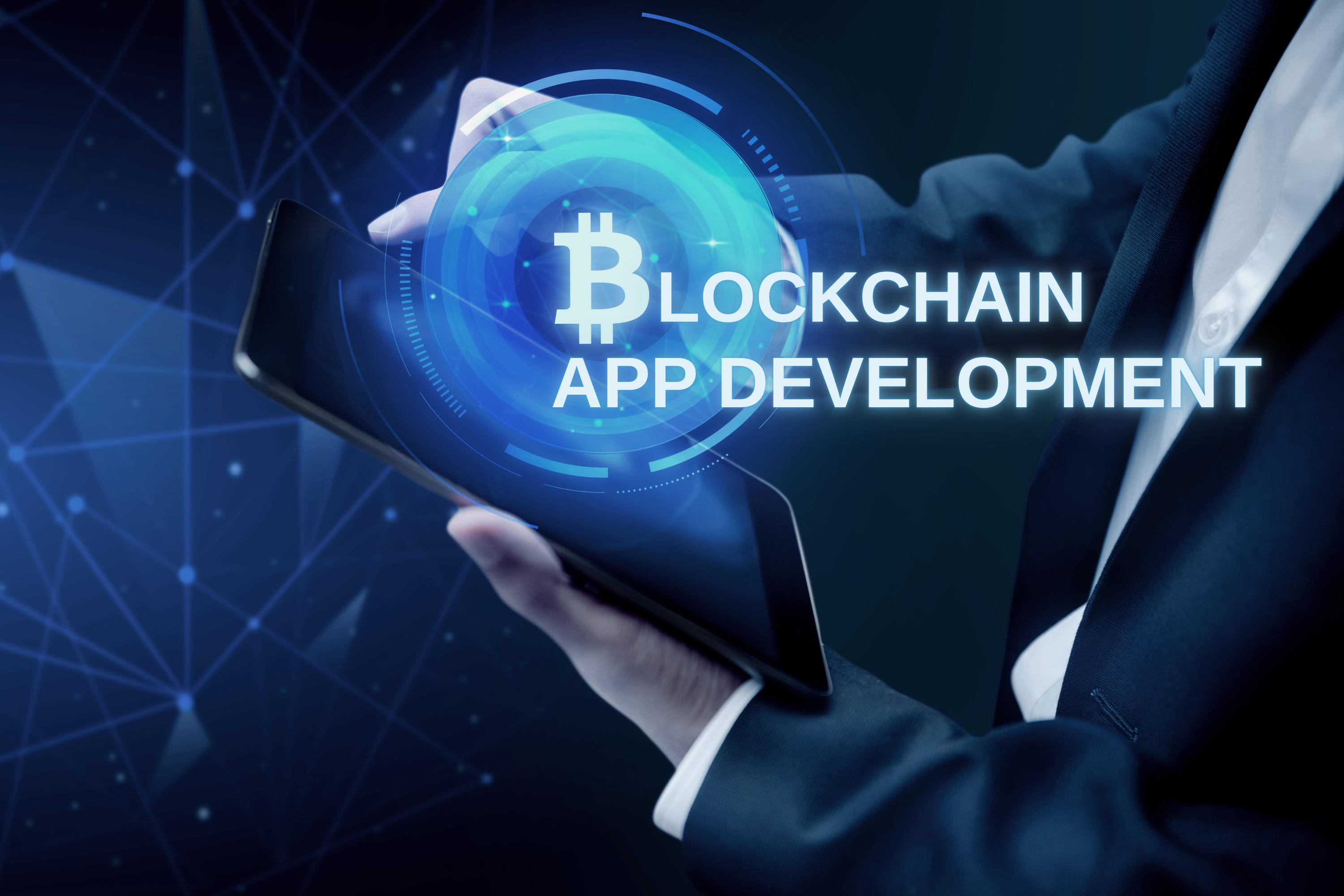
Blockchain app development companies combine product design, software engineering, smart contracts, and distributed infrastructure to create applications that run partly or fully on blockchain networks. These products include cryptocurrency wallets, decentralized applications (dApps), DeFi platforms, NFT marketplaces, tokenization systems, and private enterprise networks.
The development partner matters because blockchain architecture affects security, transaction costs, scalability, compliance, and the user experience. Once smart contracts are deployed and users begin making transactions, structural problems can become difficult and expensive to correct.
The blockchain app development companies below support projects across public and private networks, including Ethereum, Solana, Polygon, Hyperledger, Cardano, and Avalanche. Compare them by technical expertise, industry experience, project type, supported ecosystems, pricing, and delivery model.
Table of Contents
Quick Comparison
| Company | Best for | Blockchain expertise | Platforms and ecosystems | Industries | Project size or rate |
|---|---|---|---|---|---|
| PixelPlex | Enterprise fintech, tokenization, and DAO platforms | DeFi, DAOs, RWA tokenization, NFT infrastructure, Echo Layer 2 | Ethereum, Polygon, Solana, Hyperledger, Cardano, Avalanche | Fintech, healthcare, real estate | Custom quote |
| AppsChopper | Mobile blockchain apps, wallets, and exchanges | Wallets, P2P exchanges, dApps, private networks | Ethereum, Tron, Hyperledger, Solana, Cardano | Banking, healthcare, travel | $45K–$200K |
| Confianz Global | Enterprise blockchain integration | Private networks, dApps, smart contracts, ICO development | Ethereum, Hyperledger Fabric, R3 Corda, Quorum | IoT, healthcare, real estate | Custom quote |
| Rapid Innovation | Fast DeFi, NFT, and DEX development | AI-supported development, smart contracts, tokenization, auditing | Ethereum and EVM-compatible networks | Gaming, fintech, startups | Custom quote |
| Interexy | Healthcare and fintech dApps | Solidity contracts, wallets, NFT and ICO development | Ethereum, BNB Chain, Solana, Avalanche, Hyperledger | Healthcare, fintech, real estate | $50K–$1M+ |
| HyperBeans Inc | Blockchain banking and mining software | KYC/AML banking systems, wallets, exchanges, mining tools | Ethereum, Solidity, Geth, Mist, Remix, Parity | Banking, fintech | Custom quote |
| TechAhead | Blockchain integration for enterprise platforms | Smart contracts, tokenization, private networks, enterprise dApps | Ethereum, Hyperledger Fabric, Polygon, BSC, Solana | Healthcare, fintech, insurance | Custom quote |
| A3Logics | Multi-chain DeFi and NFT platforms | DeFi protocols, NFT marketplaces, tokenization, gaming | Ethereum, Cardano, Solana, Polygon, Cosmos | Supply chain, fintech, gaming | $10K–$500K |
| Inceptives Digital | Scalable DeFi, NFT, and wallet projects | Smart contracts, DeFi, NFTs, wallets, metaverse development | Ethereum, Solana, Polygon, Avalanche, Hyperledger | Healthcare, gaming, e-commerce | $40K–$300K+ |
| Code Avenue USA | Mobile-first blockchain applications | dApps, smart contracts, mobile and Web3 development | React Native, Flutter, Kotlin, Swift | Hospitality, security, consumer apps | Custom quote |
Published prices represent available project ranges and starting budgets. Final costs depend on the blockchain network, smart contract complexity, integrations, security requirements, and ongoing support.
How We Selected Blockchain App Development Companies
We narrowed this list to agencies with a demonstrable blockchain practice. Our criteria included:
- Proven blockchain and Web3 project history, not just general software delivery
- Experience across relevant networks, frameworks, and smart contract languages
- Smart contract security and auditing capability
- Ability to handle design, development, and third-party integrations end to end
- Verifiable client feedback on platforms like Clutch and GoodFirms
- Post-launch support and a plan for scaling past proof-of-concept
1. PixelPlex
- Location: New York, NY
- Best for: Complex fintech, tokenization, and enterprise blockchain platforms
- Blockchain capabilities: Smart contracts, DeFi, DAOs, private networks, RWA and STO tokenization, NFT infrastructure
- Supported ecosystems: Ethereum, Polygon, Solana, Cardano, Polkadot, Hyperledger, Avalanche, and Echo
- Notable clients: MediChainX, StreamSettle, Circularr, Cyndicate
PixelPlex develops blockchain products for fintech companies, enterprises, and organizations building tokenized ecosystems. Its services cover smart contract engineering, decentralized finance, DAO platforms, NFT infrastructure, private networks, and real-world asset tokenization.
The company brings more than 11 years of blockchain experience and has delivered over 450 projects. Its work on Mantra DAO produced a staking platform that now operates more than 60 pools. PixelPlex also developed Web3 Antivirus, which has blocklisted over 1.2 million malicious sites and identified more than 364,000 dangerous contracts.
2. AppsChopper
- Location: Walpole, MA
- Best for: Mobile blockchain applications, wallets, and cryptocurrency exchanges
- Blockchain capabilities: Smart contracts, wallets, P2P and centralized exchanges, dApps, private networks
- Supported ecosystems: Ethereum, Tron, Hyperledger, Stellar, Quorum, Cardano, Polkadot, and Solana
- Notable clients: Fifo Life, Military Vacation Planner, Gain Checker, Buffalo Wings
AppsChopper focuses on mobile-first product development, including cryptocurrency wallets, exchange applications, dApps, and blockchain-enabled consumer platforms. Its development capabilities cover both public networks and private blockchain infrastructure.
The company works with Ethereum, Tron, Hyperledger, Stellar, Quorum, Cardano, Polkadot, and Solana. This range supports projects that need anything from a consumer wallet or trading interface to a permissioned network for internal business use.
AppsChopper’s typical projects range from $45,000 to $200,000, with development timelines between 5 and 18 months. These parameters give startups and established businesses a practical starting point for planning a wallet, exchange, or crypto-enabled mobile product.
3. Confianz Global, Inc.
- Location: Charlotte, NC
- Best for: Enterprise blockchain integration in regulated industries
- Blockchain capabilities: Private networks, dApps, smart contracts, ICO development, and blockchain IoT integration
- Supported ecosystems: Ethereum, Hyperledger Fabric, Hyperledger Sawtooth, Hyperledger Iroha, R3 Corda, Quorum, Stellar, and EOS
- Notable clients: AT&T, Gridizen, WHOOCAN, Oeveo
Confianz Global builds blockchain systems for enterprises that require controlled access, structured governance, and integration with existing business processes. Its services include private networks, decentralized applications, smart contracts, ICO platforms, and blockchain-connected IoT products.
Its technical coverage includes three Hyperledger frameworks, R3 Corda, Quorum, Ethereum, Stellar, and EOS. This combination supports permissioned-ledger projects in healthcare, real estate, asset management, and other sectors where access controls and data governance are central requirements.
Confianz Global has completed more than 10 blockchain projects. Its in-house team handles development, and clients receive full ownership of the intellectual property created during the engagement.
4. Rapid Innovation
- Location: Spokane, WA
- Best for: Fast DeFi, NFT, and decentralized exchange launches
- Blockchain capabilities: Smart contract development and auditing, tokenization, decentralized exchanges, and AI-supported development
- Supported ecosystems: Ethereum and EVM-compatible networks
- Notable clients: Arcadia, Planet, Amplify Games, Isobot.AI
Rapid Innovation combines blockchain engineering with AI-supported product development. Its team builds DeFi applications, decentralized exchanges, NFT platforms, tokenized products, and smart contracts for startups bringing Web3 products to market.
The company rebuilt the Vrynt NFT marketplace and added generative adversarial network technology to its NFT minting tools. The updated platform increased NFT listings by 40% and user engagement by 30%.
Rapid Innovation also provides smart contract auditing and tokenization services. Its combination of blockchain and AI capabilities is relevant to projects using automated content generation, intelligent product features, or accelerated development workflows.
5. Interexy
- Location: Miramar, FL
- Best for: Healthcare and fintech dApps
- Blockchain capabilities: Solidity smart contracts, cryptocurrency wallets, NFT and ICO development, and healthcare blockchain products
- Supported ecosystems: Ethereum, BNB Chain, Solana, Avalanche, Chainlink, Hyperledger, TRON, and Cosmos SDK
- Notable clients: Pampers, Oracle, SAP, Square
Interexy is one of the blockchain app development companies that develop applications for healthcare, fintech, and other industries that manage sensitive data or regulated transactions. Its capabilities include Solidity smart contracts, cryptocurrency wallets, NFT platforms, ICO technology, and custom decentralized applications.
The development team has four to six or more years of Solidity experience and works across Ethereum, BNB Chain, Solana, Avalanche, Hyperledger, TRON, and Cosmos SDK. Chainlink integration also allows the company to connect smart contracts with external data sources.
Projects start at approximately $50,000 and can exceed $1 million for larger enterprise platforms. Once the scope is complete, Interexy states that it can begin development within five business days.
6. HyperBeans Inc
- Location: Bellevue, WA
- Best for: Blockchain banking, wallets, exchanges, and mining software
- Blockchain capabilities: Custom cryptocurrencies, mining tools, wallets, exchanges, KYC/AML banking systems, and trade finance contracts
- Supported ecosystem: Ethereum
- Notable clients: Audi, Lavazza, Magma Housing Finance, PayTabs
HyperBeans Inc concentrates its blockchain services on financial infrastructure. The company develops cryptocurrency wallets, exchanges, custom digital currencies, mining software, payment integrations, and smart contracts for banking and trade finance.
Its banking solutions incorporate KYC and AML processes, making the company relevant to financial platforms that must connect blockchain transactions with identity verification and compliance workflows. HyperBeans also supports organizations building payment systems or blockchain-based financial services around Ethereum.
The company’s engineering stack includes Solidity, Geth, Mist, Remix, and Parity. This Ethereum-focused toolset supports contract development, node management, application testing, and interaction with decentralized networks.
7. TechAhead

- Location: Agoura Hills, CA
- Best for: Integrating blockchain into enterprise software platforms
- Blockchain capabilities: Smart contracts, dApps, NFT marketplaces, asset tokenization, wallets, and private networks
- Supported ecosystems: Ethereum, Hyperledger Fabric, Polygon, Binance Smart Chain, and Solana
- Notable clients: The And, IMI Heatmiser, Erin, Adjust My Crown
TechAhead treats blockchain as part of a broader enterprise product and software engineering practice. It develops smart contracts, decentralized applications, NFT marketplaces, tokenized asset systems, cryptocurrency wallets, and private blockchain networks.
Its experience with enterprise software and AI supports projects that must connect blockchain functionality with existing applications, data systems, security controls, or customer-facing platforms. The company works with Ethereum, Hyperledger Fabric, Polygon, Binance Smart Chain, and Solana.
TechAhead begins projects with an AI Discovery Sprint before moving into dedicated engineering pods or managed services. Its ISO 27001 and SOC 2 Type II certifications provide an established security framework for organizations in healthcare, fintech, insurance, and other regulated sectors.
8. A3Logics
- Location: Carlsbad, CA
- Best for: Multi-chain DeFi, NFT, tokenization, and enterprise platforms
- Blockchain capabilities: Smart contracts, DeFi protocols, NFT marketplaces, tokenization, gaming, and ICO development
- Supported ecosystems: Ethereum, Cardano, Solana, Polygon, Cosmos, and Stellar
- Notable clients: Tesla, Igoe, Renkom, Workiva
A3Logics develops multi-chain blockchain products for fintech, gaming, supply chain, travel, insurance, and government organizations. Its services cover DeFi protocols, NFT marketplaces, tokenization systems, blockchain gaming, smart contracts, and ICO platforms.
The company works with Solidity on Ethereum, Plutus and Marlowe on Cardano, and Rust on Solana. It also supports Polygon, Cosmos SDK, and Stellar, allowing projects to select a network and programming environment based on transaction volume, governance, interoperability, and application requirements.
A3Logics has operated for more than 21 years, delivered 500+ projects, and has a 91% repeat-client rate. Its project range of $10,000 to $500,000 covers focused pilots as well as larger enterprise implementations.
9. Inceptives Digital
- Location: Austin, TX
- Best for: DeFi platforms, NFT marketplaces, wallets, and metaverse applications
- Blockchain capabilities: Smart contracts, DeFi, NFTs, cryptocurrency wallets, and metaverse development
- Supported ecosystems: Ethereum, Solana, Polygon, Avalanche, Polkadot, Hyperledger, Corda, Stellar, and Cosmos
- Notable clients: DPS Airem, Halwar Connect, Zoom Read
Inceptives Digital develops blockchain products ranging from cryptocurrency wallets and smart contracts to DeFi systems, NFT marketplaces, and metaverse applications. Its team of more than 150 developers provides the capacity required for larger builds and products involving several platforms or technical workstreams.
The company supports public networks such as Ethereum, Solana, Polygon, Avalanche, and Polkadot, along with enterprise technologies including Hyperledger and Corda. Stellar and Cosmos experience further expands its options for payment infrastructure and interoperable blockchain systems.
Inceptives Digital divides projects into clear complexity tiers. Simple applications range from $40,000 to $60,000, moderately complex products cost between $60,000 and $150,000, and highly complex builds start at $150,000 and can exceed $300,000.
10. Code Avenue USA
- Location: San Diego, CA
- Best for: Mobile-first dApps and blockchain-enabled applications
- Blockchain capabilities: Decentralized applications, smart contracts, mobile development, and Web3 functionality
- Mobile technologies: React Native, Flutter, Kotlin, and Swift
- Notable clients: Servr Hotels, Waru, Southern Tier Security, Kumea
Code Avenue USA develops mobile applications that incorporate blockchain and Web3 functionality. Its services include dApp development, smart contract engineering, cross-platform mobile products, and native iOS and Android applications.
The company brings more than 12 years of mobile development experience to blockchain-enabled projects. Its technology stack includes React Native and Flutter for cross-platform applications, along with Kotlin and Swift for native mobile development.
This mobile foundation is useful for wallets, consumer dApps, hospitality platforms, security applications, and other products that require blockchain functions within a polished mobile interface. Code Avenue combines product development and Web3 engineering under one delivery team.
How to Choose Blockchain App Development Companies
Selecting a blockchain app development company requires more than comparing service lists. The development team should understand the type of product you are building, the network it will run on, how users will interact with it, and what happens after deployment.
Relevant Blockchain Experience
Review projects from the same category as yours, such as DeFi, NFTs, tokenization, wallets, exchanges, or enterprise ledgers. Comparable work helps establish whether the team understands the product’s architecture, user flows, integrations, and security requirements.
Network and Programming Language Expertise
The blockchain network determines which languages, frameworks, tools, and developers will be needed to build and maintain the application.
Ethereum and EVM-compatible networks such as Polygon, BNB Chain, and Avalanche commonly use Solidity. Solana development often uses Rust, while Hyperledger and Corda support permissioned enterprise systems. Match the company’s technical experience to the network and product requirements.
Smart Contract Security and Auditing
Smart contracts can be difficult to change after deployment, especially when they control financial transactions or digital assets. Confirm how the blockchain app development companies test contracts, whether an independent audit is included, and how vulnerabilities are addressed before and after launch.
Wallet and Onboarding Experience
Wallet connections, seed phrases, gas fees, and transaction signing can create friction for users unfamiliar with blockchain products. Review how the company approaches custodial wallets, account abstraction, social login, gasless transactions, and other onboarding options.
Transaction and Infrastructure Costs
Transaction costs vary by network and can affect the product’s operating model as usage grows. The development company should estimate expected transaction volume, gas fees, infrastructure requirements, and potential Layer 2 or batching options.
Compliance and Data Privacy
Fintech, healthcare, and other regulated projects may require KYC, AML, data residency, or GDPR controls. The architecture should balance blockchain transparency with the organization’s privacy, identity, and data-management requirements.
Integration Capabilities
Blockchain applications often connect with payment processors, identity providers, oracles, mobile applications, CRMs, and internal enterprise systems. Confirm which integrations the company will build and how on-chain and off-chain data will move between systems.
Post-Launch Monitoring and Support
Support should cover contract monitoring, incident response, infrastructure maintenance, application updates, and upgrade paths for components that can be modified. Clarify which services are included in the initial scope and which require an ongoing agreement.
Blockchain App Development Pricing and Engagement Models
Blockchain app development companies’ pricing depends on the architecture, smart contract logic, selected network, security requirements, and external integrations. Feature count alone does not determine the final budget.
Main Cost Factors
- Application type: A basic wallet or token contract costs less than a DeFi protocol, exchange, or cross-chain platform.
- Smart contract complexity: More contracts, dependencies, and custom logic require additional development and testing.
- Blockchain network: Public networks introduce transaction-cost considerations, while enterprise networks can require additional configuration and infrastructure.
- Wallets and integrations: Payment processors, oracles such as Chainlink, identity systems, and enterprise software increase the scope.
- Security audits: Independent smart contract auditing is normally budgeted separately from development.
- Compliance requirements: KYC, AML, privacy, and legal review add development and planning time.
- Multi-chain support: Bridges and deployments across several networks require more testing, monitoring, and maintenance.
- Post-launch maintenance: Contract monitoring, upgrades, infrastructure management, and technical support may be billed separately.
Project ranges begin at approximately $10,000 for a focused A3Logics pilot. AppsChopper projects range from $45,000 to $200,000, while Inceptives Digital quotes $40,000 to more than $300,000 depending on complexity. A3Logics projects can reach $500,000, and Interexy engagements start near $50,000 and can exceed $1 million for enterprise builds.
Common Engagement Models
| Model | How it works | Appropriate project type |
| Fixed price | A defined scope is delivered for an agreed price | Focused projects with stable requirements |
| Time and materials | Work is billed hourly or by sprint | Products whose requirements may change during development |
| Dedicated team | Specific developers work on the project for a monthly fee | Long-term products that require continuity and ongoing development |
Questions to Ask Blockchain App Development Companies
- Which production blockchain applications have you launched? Request examples from the same category as your planned product.
- Why do you recommend this blockchain for our project? The explanation should address transaction volume, fees, security, compliance, and future maintenance.
- How are smart contracts audited? Confirm whether the company uses internal testing, an independent auditor, or both.
- How do you manage contract upgrades and vulnerabilities? Discuss proxy contracts, migration plans, emergency controls, and incident response.
- How will you control gas and infrastructure costs? Review Layer 2 networks, transaction batching, node infrastructure, and expected user volume.
- Have you developed a similar product in our industry? Relevant industry experience can help with compliance, integrations, and user expectations.
- Who owns the source code and intellectual property? Put ownership terms, code access, and handover requirements in the contract.
- What support is included after launch? Define monitoring, maintenance, patching, infrastructure management, and response times.
Final Thoughts on Blockchain App Development Companies
Blockchain apps are only as strong as the teams behind them. The companies we featured combine deep technical expertise with practical design, turning complex decentralized systems into usable, reliable products. From wallets and marketplaces to enterprise solutions, their work demonstrates how thoughtful development can make blockchain approachable, scalable, and functional for real users.
Browse to explore available blockchain app development companies or submit a Project Brief, and we’ll InstaMatch you with teams capable of translating your blockchain vision into a robust, user-friendly application.
FAQs
How long does it take to build a blockchain app?
Blockchain app development companies will need 4 to 8 weeks for a simple wallet or token contract. A DeFi protocol, NFT marketplace, or enterprise blockchain integration usually takes 4 to 9 months, depending on the network, integrations, smart contract complexity, and audit requirements.
Which blockchain is best for application development?
The right blockchain depends on the product. Ethereum and EVM-compatible networks such as Polygon and BNB Chain provide extensive tools and developer support, Solana supports high-throughput consumer applications, and Hyperledger or Corda can support permissioned enterprise systems.
What is the difference between a dApp and a regular app?
A regular application usually stores its data and executes its main logic on servers controlled by one organization. A dApp runs some or all of its core logic through blockchain-based smart contracts, with transactions recorded on the network.
Should a separate company audit the smart contracts?
An independent audit is recommended for applications that handle funds, valuable digital assets, or sensitive processes. A separate auditor reviews the contracts from a fresh perspective and can identify security issues before deployment.