12 Common Mistakes When Hiring A Branding Agency (And How to Avoid Them)

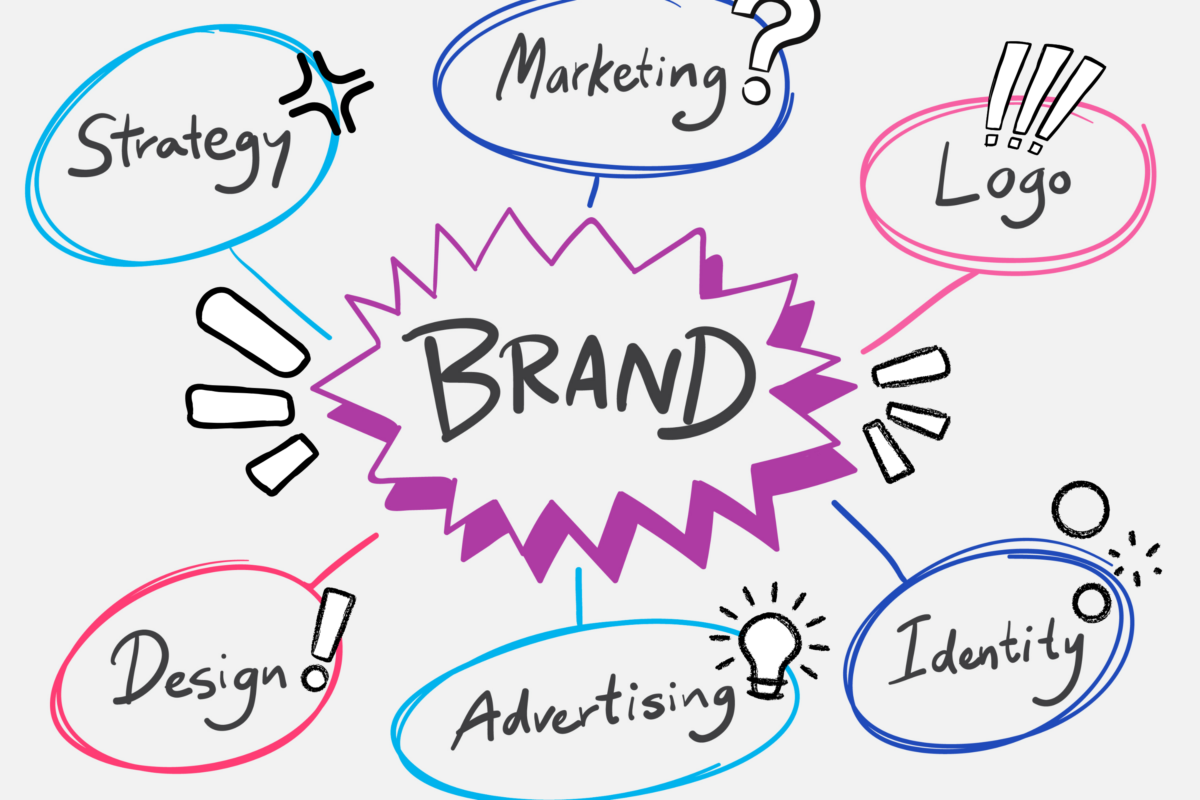
Your brand is not your logo. It’s the overall impression your business leaves on everyone who encounters it, and getting it right requires real expertise, strategic thinking, and creative precision. That’s why so many companies turn to a branding agency.
But hiring the wrong one costs far more than money. It costs time, internal alignment, market credibility, and the kind of momentum that’s nearly impossible to rebuild once lost.
Most of these mistakes are entirely preventable. These common mistakes when hiring a branding agency follow predictable patterns, and once you know what to watch for, you can avoid them entirely.
Table of Contents
1. Confusing a Branding Agency With a Design Studio
This is the foundational mistake, and it cascades into almost every other problem on this list.
A design studio produces visual assets. A branding agency builds brand systems, starting with strategy, moving through identity, and extending into how a brand is experienced across every touchpoint. The visual work is the output, not the starting point.
When companies hire a design-focused shop expecting brand strategy, they end up with beautiful work that doesn’t hold together under pressure. The logo looks great, but communicates nothing meaningful. The visual identity is polished but has no connective tissue with the company’s positioning, values, or audience.
What to do instead: Before evaluating any agency’s creative portfolio, ask about their strategic process. Do they develop brand positioning frameworks, tone-of-voice guidelines, and messaging architecture, or do they skip straight to moodboards? If an agency can’t talk fluently about brand strategy before showing you their design work, you’re looking at a design studio, not a branding partner.
2. Not Defining What You Actually Need Before You Start Looking
Many businesses begin the agency search before answering the most important question: what problem are we actually trying to solve?
“We need a rebrand” is not a brief. It’s a symptom. The real issue might be that your identity no longer reflects your positioning, that you’re targeting a new audience your current brand repels, or that a merger requires consolidating two identities into one. Each of these is a fundamentally different engagement requiring a different kind of agency.
When you arrive without clarity, you hand the agency the power to define the scope, and they’ll naturally define it around their strengths, not necessarily your needs.
What to do instead: Before reaching out to anyone, write an internal brief. It doesn’t need to be formal. It just needs to answer: why isn’t the current brand working? Who is our audience, and what should they feel? What does success look like twelve months after this project is done? What is our timeline and budget range?
This document sharpens every conversation, helps you compare proposals fairly, and filters out agencies whose process doesn’t match your actual challenge.
3. Choosing Portfolio Aesthetics Alone
A portfolio is the most seductive and most misleading element of an agency pitch. You fall in love with the visual work, and rational due diligence falls away.
The problem is that great-looking work and strategically sound work are very different things. A stunning identity that missed the target audience, failed to differentiate the brand, or collapsed when implemented at scale is not a success story, regardless of how it looks in a case study.
There’s also the stylistic trap. Some agencies apply a signature aesthetic to every client. If your business falls in love with that style, you’ll get work that’s visually distinctive from your category but indistinguishable from that agency’s last five clients.
What to look for instead: Dig into the case studies behind the portfolio. What was the strategic problem? How did the agency’s approach address it? What were the measurable outcomes? Look for genuine visual range across projects — an agency that produces distinct approaches for different clients demonstrates strategic flexibility. An agency whose portfolio looks like one continuous project is a stylistic shop.
4. Skipping the Discovery and Strategy Phase
Some agencies, particularly those optimized for speed and volume, minimize or skip discovery entirely. A brief kickoff call, some basic information gathering, and straight into creative. On the surface, this feels efficient. In practice, it’s one of the most expensive shortcuts in branding.
Discovery is where an agency builds the strategic foundation that makes every creative decision defensible. It’s where they identify your actual audience, not the one you assume you have, but the one research reveals. It’s where they map the competitive landscape, surface genuine differentiators, and develop the positioning platform that will express the entire identity.
Without this foundation, creative decisions become matters of personal taste. Every feedback round becomes a negotiation without a shared reference point. The final brand might be beautiful and still be wrong.
What to look for instead: Ask every agency to walk you through their discovery process in detail. How long does it take? What research methods do they use: stakeholder interviews, audience research, competitive audits? What deliverables come out of discovery, and how do those directly inform the creative brief? A strong agency will be eager to answer these questions. A weak one will rush past them.
5. Making Price the Primary Decision Factor
Budget is a real constraint, but using price as the primary filter produces a predictable outcome: you get exactly what you pay for, and then you pay again to fix it.
An unusually low quote almost always means one of three things: process steps are being skipped to deliver at speed, the senior talent you met in the pitch won’t actually be working on your account, or the scope has been cut so narrowly that everything you actually need will arrive as change orders later.
A brand that doesn’t resonate with its audience, differentiate from competitors, or scale coherently across applications will require investment to correct, and that investment almost always costs more than doing it right the first time.
What to do instead: Evaluate proposals on value, not price. What process are you getting? Who specifically will work on your account? What’s included in scope and what falls outside it? When comparing proposals at very different price points, you’re often comparing fundamentally different engagements; understanding what you’d be giving up is more useful than choosing the lower number.
6. Ignoring Who Will Actually Work on Your Account
The pitch is delivered by the founder and the senior creative director. The work is done by a junior team you’ve never met. The strategic thinking that impressed you in the presentation doesn’t make it into the actual project because the people who generated it aren’t in the room.
This doesn’t happen at every agency, but it happens often enough to warrant explicit attention before signing anything.
What to ask: Request a direct answer to: “Who specifically will work on our account day-to-day, and what will their roles be?” Ask to meet those people before you commit. Review their individual work. Ask whether the people who delivered the pitch will remain involved, and if an agency is evasive about this, that evasiveness is itself informative.
7. Underestimating the Importance of Cultural Fit
Branding is an unusually intimate form of collaboration. An agency needs to understand not just what your business does, but how it thinks, what it values, and how it communicates. This requires genuine trust and a working relationship where disagreement is productive rather than defensive.
Cultural misalignment makes all of this harder. If your company is direct and data-driven, working with an agency that communicates vaguely and resists measurable outcomes will be exhausting. If your brand has a particular sensibility, irreverent, formal, or warmly human, working with creatives who don’t naturally inhabit that register will produce work that consistently misses.
What to look for: Pay attention to how an agency communicates during the pitch itself. Are they listening or just presenting? Do they push back thoughtfully when they disagree, or simply accommodate? Do they ask smart questions about your business, or only about your visual preferences? The pitch dynamic is the clearest preview you’ll get of what the working relationship will actually feel like.
8. Failing to Set Clear Deliverables and Success Metrics
Branding engagements are more vulnerable to scope drift and subjective disagreement than almost any other professional services engagement. The antidote is ruthless clarity upfront about what you’re buying and how you’ll know if it worked.
Many businesses sign contracts without a shared definition of what deliverables actually include. Does “brand identity” mean a logo and color palette, or does it extend to full brand guidelines, typography systems, iconography, motion principles, and application templates? Does the engagement include implementation support, or stop at the handoff file? These assumptions on each side are often completely different.
What to do instead: Specify deliverables in precise terms in the contract. Then separately agree on how success will be evaluated, both during the engagement (feedback process, revision rounds, approval gates) and after it (what you’ll measure, when, and how).
9. Treating the Agency as a Vendor Instead of a Partner
When companies treat an agency as a service vendor, they cut off the most valuable thing an external creative partner can offer: an honest outside perspective. Agencies see your brand the way your audience does, without the organizational assumptions, internal politics, or institutional blind spots that shape how you see your own company.
Clients who micromanage creative direction, reject strategic recommendations without discussion, or treat every agency suggestion as something to be whittled down don’t get better work. They get compliant work, and compliant work is almost never exceptional.
What to do instead: Hire an agency you trust enough to actually listen to. Push back when you genuinely disagree, but push back with reasons, not just instincts. The best client-agency relationships look less like client-vendor and more like co-authorship.
10. Not Checking References
An agency controls everything you see in a pitch. The portfolio is curated, the case studies are edited, and the testimonials are selected. What you don’t see, the projects that went sideways, the clients who left frustrated, the timelines that ran months over, is the information you actually need.
What to ask: Don’t just ask if they were happy with the work. Ask whether the agency delivered on time and within budget, how they handled disagreement, whether there were surprises that weren’t anticipated, and whether they’d hire them again, and if not, why. Also look for unprompted signals: reviews on Google Business, and whether past clients have given the agency repeat business. Repeat business is one of the clearest indicators of a genuinely strong partnership.
11. Rushing the Selection Process
The selection process itself generates information that matters to the final outcome. When companies rush it, they compress the space where warning signs would otherwise surface.
Urgency is understandable; rebrand timelines have board pressure, product launches, and fiscal years to contend with. But the cost of a six-week selection process is negligible compared to the cost of a six-month engagement with the wrong partner.
A practical timeline: Budget four to six weeks. Use the first two to build a longlist through research, referrals, and portfolio review. Narrow it to three or four agencies for briefing. Allow one to two weeks for proposals. Hold presentations, check references, and negotiate the contract properly before committing.
12. Starting Without Internal Alignment
Branding decisions have stakeholders: CEOs, CMOs, founders, board members, product teams, and not all of their opinions are reconcilable. When this alignment work hasn’t been done before the agency starts, those conflicts get imported into the agency relationship. The agency becomes an unwitting mediator of disputes it has no power to resolve.
The result is a feedback process that contradicts itself, creative directions that get approved then reversed, and an agency team that loses confidence, not because they’re doing bad work, but because the goalposts keep moving.
What to do before you hire: Identify your internal decision-making structure clearly. Who has final approval authority? Who provides input but not veto? Who needs to be informed but not consulted? Get leadership alignment on strategic direction before the agency is briefed. The more alignment you bring into the room, the more the agency can focus on the work.
Green Flags vs. Red Flags
Green flags:
- They ask more questions than they answer in early conversations
- Their process clearly separates strategy from creative execution
- Case studies include outcomes, not just visuals
- They can name the specific people who will work on your account
- Their portfolio shows a genuine range across industries and aesthetics
- They push back thoughtfully on brief assumptions
- References describe a collaborative, honest working relationship
Red flags:
- They jump to creative concepts before understanding your business
- Pricing is vague or dramatically below market
- The portfolio looks like one continuous aesthetic, regardless of the client
- They’re evasive about who will actually do the work
- They promise fast results for complex brand challenges
- They accommodate every piece of feedback without strategic discussion
- References are unavailable or reluctant
Final Thoughts Branding Hiring Mistakes
Hiring the right branding agency is one of the highest-leverage decisions a growing business can make. A strong brand commands premium pricing, attracts better talent, builds customer loyalty faster, and creates market presence that compounds over time.
But that value is created or destroyed in the selection process. The ones mentioned above are simply the most common mistakes when hiring a branding agency, and they aren’t some exotic edge cases; they’re patterns that repeat across industries, company sizes, and geographies. The businesses that avoid them share one trait: they approach the agency search with the same rigor they’d apply to any major strategic decision.
Know what you need before you start looking. Evaluate the process as carefully as the portfolio. Meet the people who will actually do the work. Check references. Move deliberately. And hire an agency you trust enough to partner with genuinely.
Do that, and the brand you end up with will be worth every dollar of the investment. If you need help finding the right partner, submit a Project Brief, and we will InstantMatch you with agencies that fit your requirements.